


How Long Should a Riser Recliner Last?

Riser recliner chairs are more than just furniture – they’re an investment in comfort, independence, and everyday wellbeing. Naturally, anyone considering a chair wants to know how long it will last, what affects its lifespan, and how to care for it to maximise its longevity. In this guide, we break down the key factors that determine the lifespan of a recliner chair, signs it may need replacing, and maintenance tips to keep it performing at its best.
Factors That Affect Recliner Lifespan
It’s important to remember that each riser recliner will have a different lifespan and this can be affected by several different factors – many of which depend on the user or owner themself. The elements that influence how long a recliner will remain functional and comfortable include:
Build quality
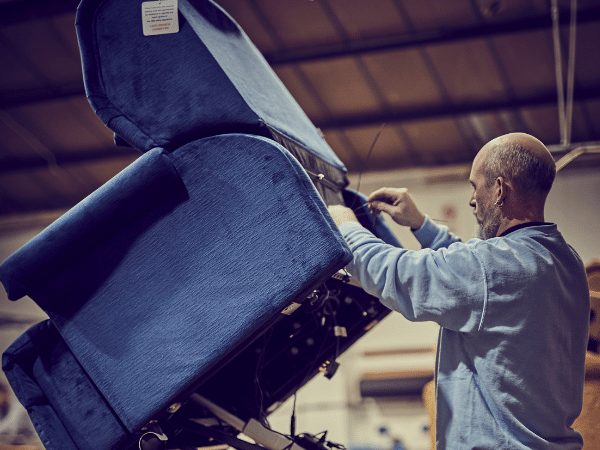
High-quality materials, a sturdy frame, and a reliable motor all contribute to longevity. Chairs built with UK craftsmanship, like Willowbrook’s, are designed to endure daily use over many years.
Frequency of use
The more often a chair is used, the more wear and tear it experiences. Chairs that serve as primary seating for several hours a day will naturally show signs of wear sooner than those used more occasionally.
Maintenance
Regular cleaning, lubrication of moving parts, and timely servicing can extend a chair’s lifespan. Ignoring these basics can accelerate wear on both mechanical and upholstery components.
Weight and usage
Exceeding the manufacturer’s weight limits or subjecting the chair to excessive force can reduce its functional life. Similarly, improper handling during adjustments can strain motors or hinges.
Environment
Humidity, temperature, and exposure to direct sunlight affect upholstery and electronics. Placing a chair in a dry, temperate room helps protect both fabric and mechanical components.
Average Lifespan of a Riser Recliner
While each chair and household situation differs, a high-quality riser recliner typically lasts between 7 to 12 years with proper care. Regular maintenance, following weight guidelines, and avoiding mechanical strain can extend this. Due to their mechanical nature and how riser recliners work, electric recliners benefit from routine checks to ensure motors and electronics continue working smoothly. Further to this, observing wear patterns and addressing small issues early will prevent minor problems from becoming costly repairs.
It’s important to recognise that lifespan can vary by usage, material, and model. A high quality, well manufactured riser recliner is much more likely to last longer than one of a lesser standard – making your choice of riser recliner important.
Signs It’s Time to Replace Your Recliner
Even the best-built chairs eventually show signs that it may be time for a replacement. If you’ve been using a chair for many years, like any engineered product, there are likely to be failings as it reaches the end of its lifespan. These can include:
- Mechanical issues: Motors are failing, or frequent malfunctions occur.
- Noise or instability: Squeaks, wobbles, or uneven reclining indicate structural wear.
- Upholstery wear: Tears, sagging, or compressed cushioning reduce comfort.
- Safety concerns: Reduced support, loose parts, or damaged controls can pose a risk to users.
Replacing a chair proactively can prevent accidents and maintain comfort and independence at home.
Maintaining Your Recliner for Maximum Longevity
Although riser recliner chairs do have a lifespan, this doesn’t mean that it can’t be extended. Proper care can significantly extend a chair’s life, getting the most from your chair before requiring a replacement. This involves:
- Cleaning: Regularly vacuum or wipe down upholstery to prevent dust and dirt build-up.
- Lubrication: Silicone-based lubricants keep moving parts smooth, avoiding squeaks and strain.
- Servicing: Professional inspections once a year can spot issues early and ensure mechanisms are functioning correctly.
- Safe use: Avoid exceeding weight limits and operate reclining functions gently to reduce mechanical wear.
For more detailed guidance, see our Riser Recliner Chair Maintenance Guide.
Warranty and Aftercare Considerations
Understanding your riser recliner’s warranty helps set realistic expectations for its lifespan and maintenance needs. Most warranties cover mechanical and electrical components for a specified period, but they rarely include normal wear to upholstery or cushions. Once the warranty expires, regular maintenance and servicing become essential to keep your chair functioning smoothly and safely. At Willowbrook, we also offer trade-in and upgrade options, making it easier to refresh your seating while maintaining the comfort, support, and independence you rely on every day.
Time to Replace Your Riser Recliner?
If your chair is approaching the end of its warranty or showing signs of wear, it could be time to explore buying a new riser recliner. You can book a free home assessment today to explore your options and find a replacement that meets your needs.
Alternatively, request a no-obligation online quote to start your journey to comfort and independence with Willowbrook.